Industrial parts & seals · Heaters & thermal
Silicone rubber heater
A heater is a resistor circuit laminated into silicone: 0.4–1.5 mm thin, up to 10 W/cm² on clamped metal, 200 °C continuous. We build it so the bond line never becomes the failure point.
Both buttons pre-fill this product; the difference is whether you take a standard size, or a heater laid out to your drawing.
01 — Specification
Specification
- ConstructionEtched-foil or wire-wound element, laminated between silicone layers
- Thickness0.4–1.5 mm standard construction
- Watt density0.4–10 W/cm²; to 10 W/cm² on clamped metal
- Operating temperatureUp to 200 °C continuous
- Voltage12–480 V — wire-wound for low voltage, etched foil for the rest
- AttachmentPSA, vulcanized, or clamped
- Sensors laminated inThermocouple, PT100 / RTD, thermostat, thermal fuse
- Geometry tolerance±0.05 mm on critical dimensions
- Testing100 % hipot and resistance, lot traceable
- MOQ300 pcs
- Daily capacity3,000 pcs
02 — Reference images
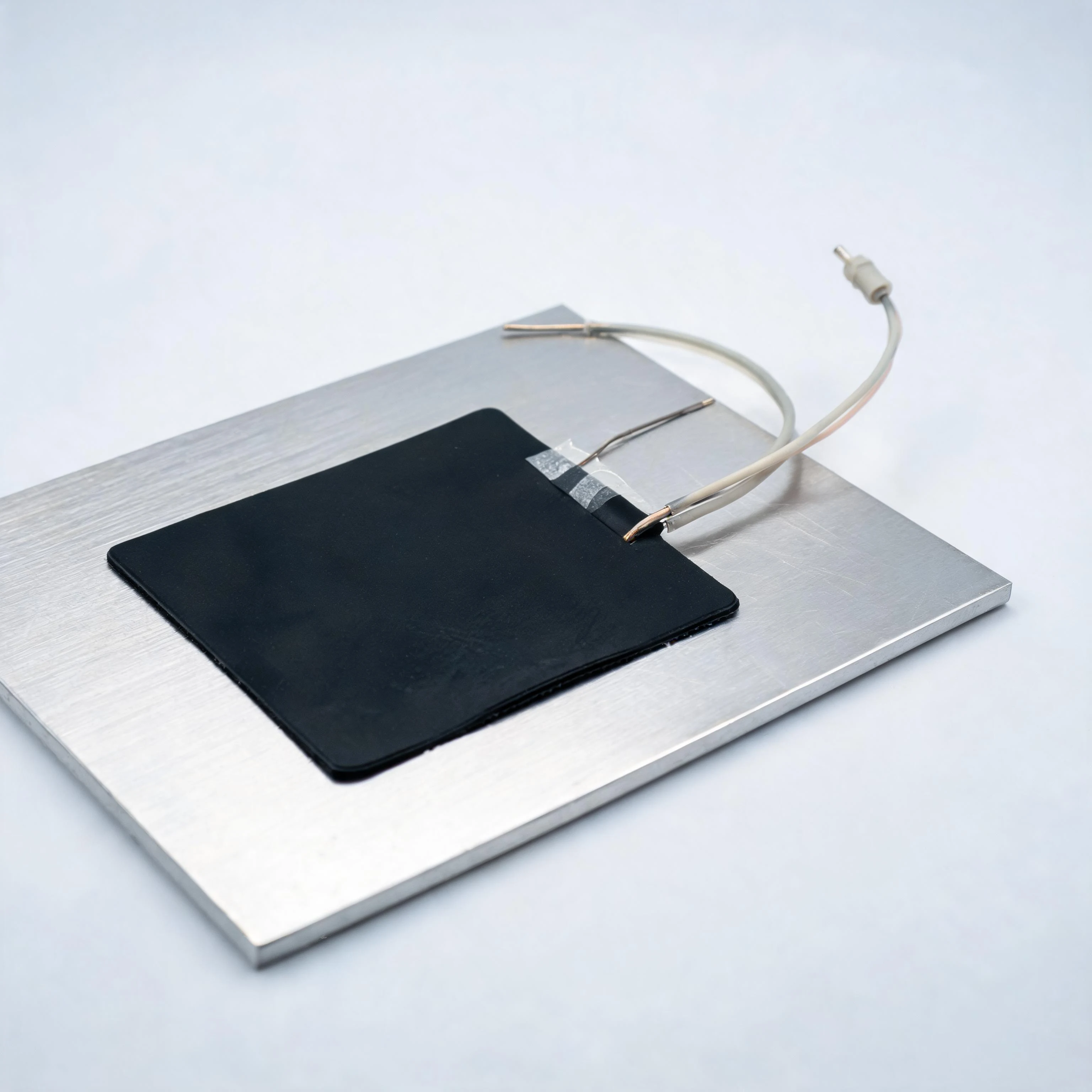
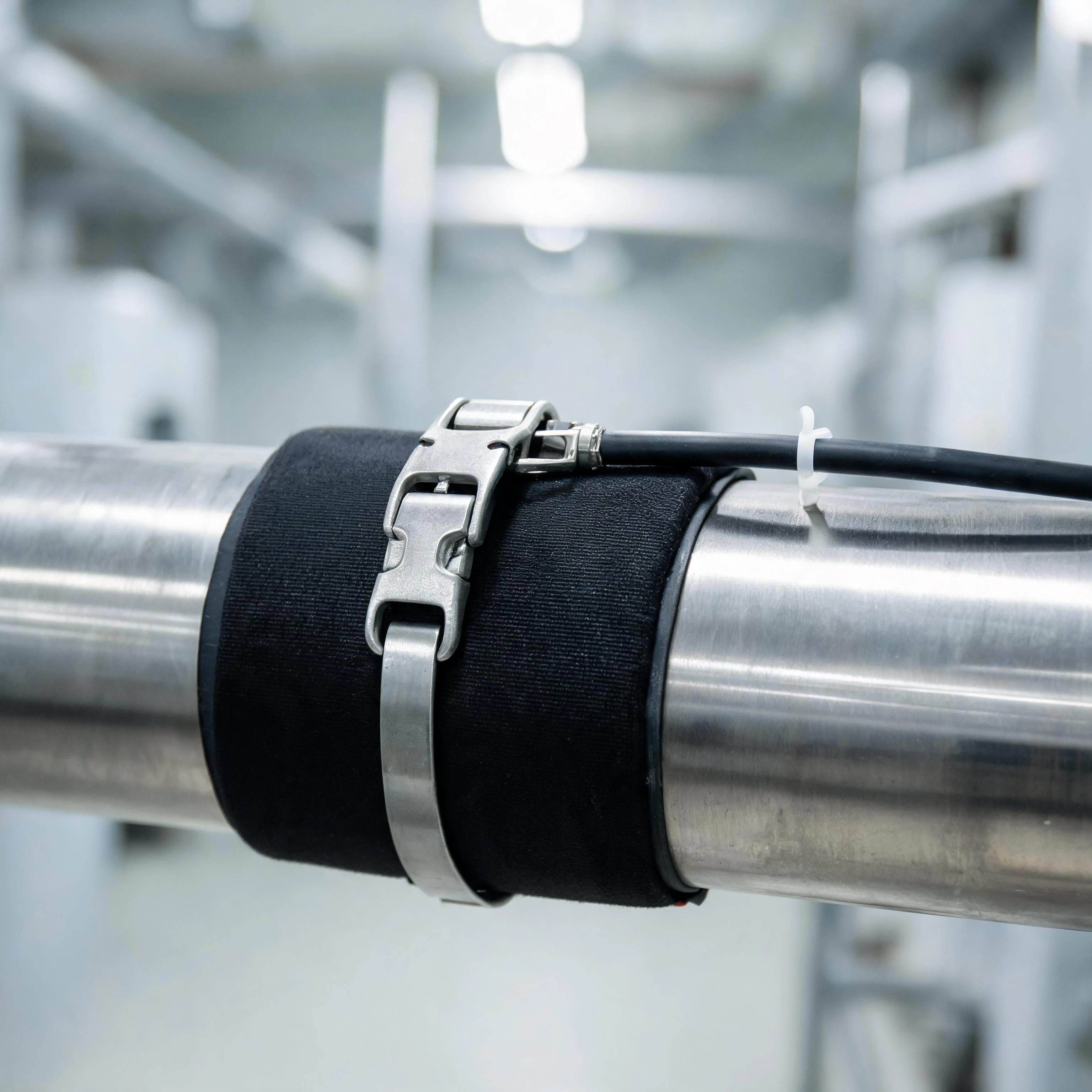
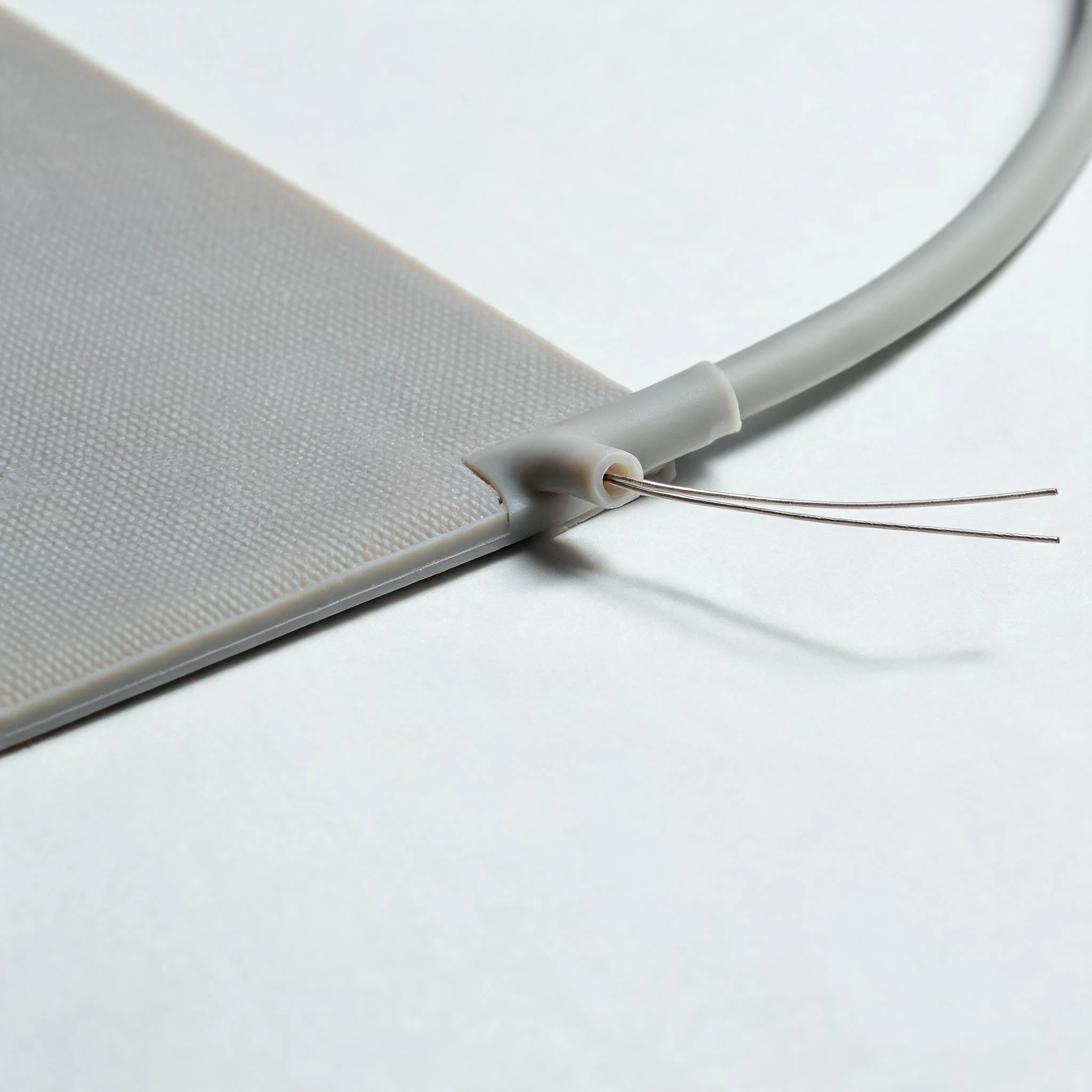
The part, and the surface it heats
03 — What it is
About this product
A silicone heater is a thin, flexible element: an etched-foil or wire-wound resistor circuit encapsulated between two silicone layers. It bends around a pipe, clamps to a plate, wraps a drum, or sticks to a metal face — anywhere heat has to arrive evenly on a curved or flat part without the bulk of a metal-sheath heater.
Almost every short-lived heater fails one of two ways. Bulging: volatiles left in the compound expand under heat and blow a bubble at the interface. Delamination: the layers separate where an adhesive bond line crept at temperature. Both are process failures, not material limits, and both are engineered out here.
The result is a heater that stays flat through years of thermal cycling — not one that passes a first-article inspection and then creeps.
04 — Where they win
Applications
05 — How to specify
Selection
Bring five numbers and one drawing, and the quote cycle collapses from weeks to days. The circuit layout follows the outline, so the drawing is not optional.
Sensors are laminated in at build time — thermocouple, PT100, thermostat, thermal fuse. It is cheaper and more reliable than retrofitting external controls, and it removes a field wiring step from your line.
06 — Where it stops
One honest limit
Silicone swells in fuel and aromatic oils. For those services FKM is the correct material, and we will say so instead of quoting a heater that will fail in the first month. The same applies to anything that needs a metal-sheath element at very high watt density on a rough casting: the surface, not the heater, is the limiting part.
07 — Related
Where this page connects
- Why heaters bulge and delaminateThe two failure modes, what drives them, and what to ask a supplier before you approve a sample.Read
- Heater selection: five numbersWatt density, voltage, attachment — and the clamping rule that decides life above 2.5 W/cm².Read
- 2K overmoldingWhen the silicone has to bond to the housing instead of sitting on it.Open
- Part finderSend the old part number or a photo; a person cross-references it within 24 hours.Open
08 — Next step
Two routes, one form
Buy finished: a standard pad in the sizes below. Customize: your outline, watt density, voltage, lead exit and sensor — sampled on the production line, so the pilot and the volume run share process and inspection.